PublishedAugust 6, 2026
Credit Score Repair: Why Most Services Don’t Work and How a Debt Management Plan Does
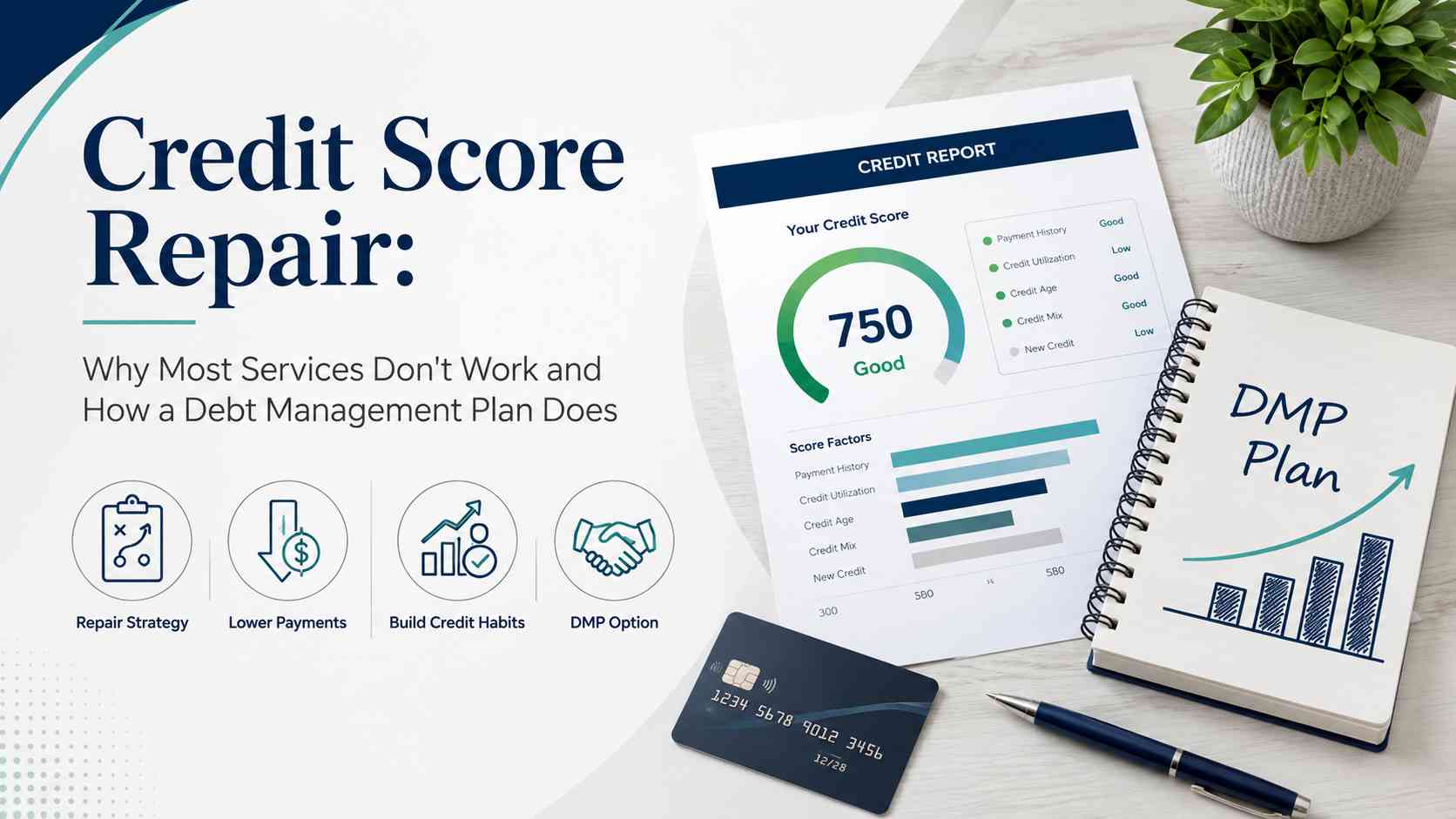

Credit repair services promise to improve your credit score by disputing inaccurate information on your credit reports. While disputing legitimate reporting errors can be valuable, it is important to understand the limitations of credit repair companies and how long-term credit improvement is generally achieved through consistent debt repayment and responsible credit management.
Credit repair services typically review your credit reports and submit disputes on your behalf for information they believe may be inaccurate. Consumers already have the legal right to dispute inaccurate information directly with the credit bureaus under the Fair Credit Reporting Act (FCRA), and these disputes can generally be filed without paying a third-party company.
If a credit report contains incorrect account information, inaccurate balances, or accounts that do not belong to you, submitting a dispute may result in corrections after the credit bureau completes its investigation. :contentReference[oaicite:1]{index=1}
Credit repair companies cannot legally remove accurate negative information from your credit report. Late payments, charge-offs, collections, and other correctly reported items generally remain until they naturally expire under applicable credit reporting laws.
Consumers should also be cautious of any company that guarantees dramatic credit score increases or promises to create a new credit identity, as these claims may involve illegal or fraudulent practices. :contentReference[oaicite:2]{index=2}
Rather than attempting to remove accurate negative information, APFSC’s debt management program focuses on helping consumers establish positive payment history by creating a structured repayment plan for eligible unsecured debts.
Consistent on-time payments and steadily reducing credit card balances are two important factors that may contribute to long-term credit improvement. As balances decline and payment history continues to build, many consumers experience gradual improvements in their credit profile over time. Individual results vary based on each person’s financial situation and credit history. :contentReference[oaicite:3]{index=3}
Credit repair services primarily focus on disputing potentially inaccurate information. A debt management program addresses the underlying financial issue by helping consumers repay eligible debts through a structured repayment plan with participating creditors.
For consumers who have already used credit repair services without resolving their debt, APFSC’s free counseling session provides an opportunity to review available repayment options and determine whether a debt management plan is appropriate.
Long-term credit improvement generally follows several important steps:
APFSC’s Debt Management Plan Credit Score page explains how participation in a debt management program may affect your credit throughout the repayment process. Additional client experiences are available on the APFSC Reviews page, and answers to common questions can be found on the FAQ page. :contentReference[oaicite:4]{index=4}
Credit rebuilding is typically a gradual process rather than an immediate result. As consumers consistently make on-time payments and reduce outstanding balances, their credit profiles may improve over time. The exact timeline varies depending on payment history, current debt levels, utilization, and other credit scoring factors.
Unlike credit repair services that focus primarily on disputing reporting issues, a debt management plan emphasizes long-term financial habits that support sustainable credit improvement while reducing eligible unsecured debt.
For consumers considering alternatives to traditional credit repair services, APFSC offers confidential, nonprofit financial counseling to review your complete financial situation and recommend the most appropriate path forward.
Start your free credit counseling session today to receive a personalized review of your debts, credit profile, and available repayment options.
Blogs
Stay informed with expert tips, financial strategies, and the latest insights to help you take control of your financial future.
 : Credit Card Debt Hit $1.25 Trillion in 2026. What Does That Mean for Your Family?
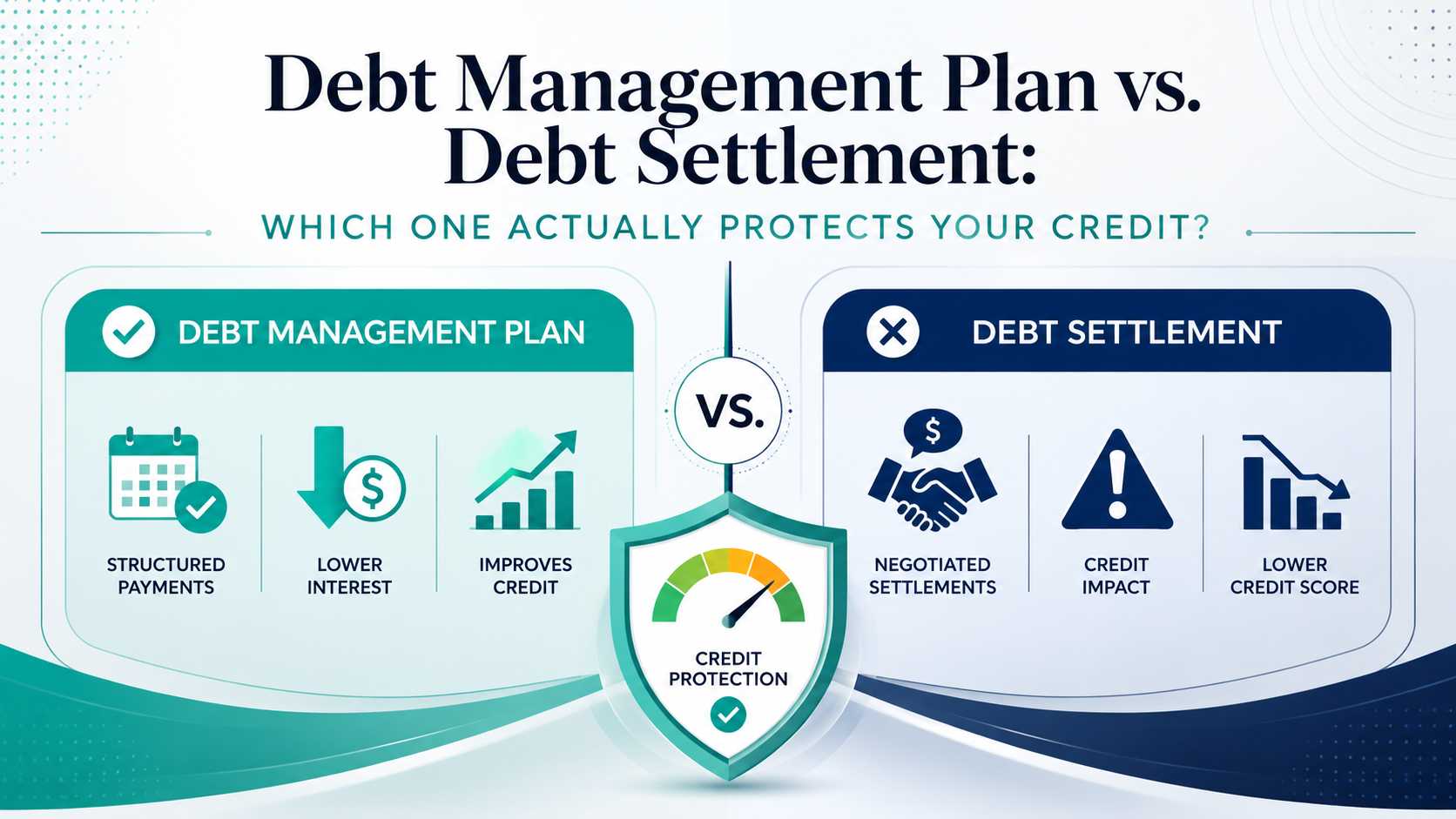 : Debt Management Plan vs. Debt Settlement: Which One Actually Protects Your Credit?
 : How to Spot a Debt Relief Scam in 2026: 8 Red Flags the FTC Warns About
Contact us


