PublishedNovember 28, 2025
Emerging Trends in Debt Management: What Borrowers Need to Know


Debt management is no longer limited to traditional repayment plans and phone-based negotiations. Today, borrowers have access to faster tools, smarter insights, and more flexible repayment options than ever before. Understanding these trends can help you make informed decisions and avoid financial stress.
Below are the major emerging trends shaping debt management today.
Modern budgeting tools now go far beyond basic expense tracking. They analyze your spending behavior, identify savings opportunities, and personalize recommendations to make your debt payoff journey easier.
Key advancements:
These systems help borrowers stay disciplined and avoid unnecessary debt accumulation.
Artificial intelligence is transforming the way consumers understand and manage debt.
The latest tools can:
AI tools remove guesswork and help borrowers stay motivated.
More lenders are now offering borrower-friendly repayment solutions due to rising economic pressure.
New options include:
This gives borrowers breathing room during financial difficulties.
Debt consolidation has become much easier due to digital lenders and financial apps that compare rates instantly.
Borrowers can now:
This trend is especially useful for people juggling multiple high-interest debts.
Traditional credit scoring doesn’t always reflect someone’s true financial behavior.
New scoring systems now consider:
These alternative data models give borrowers better access to debt management plans and financial products.
Financial wellness programs are becoming mainstream as employers, banks, and non-profits integrate them into their services.
These programs provide:
Borrowers gain support and tools that improve long-term financial stability.
Consumer protection laws are evolving to reduce predatory lending and unfair collection practices.
Key areas of improvement:
These changes help borrowers feel more secure and informed.
Debt management is shifting from reactive to proactive.
Borrowers are now encouraged to:
This trend lowers the chances of falling back into debt cycles.
Debt management is changing fast, and borrowers who understand these trends will have a clear advantage. Smarter technology, flexible repayment plans, improved credit evaluation models, and stronger consumer protections are all making it easier to stay financially secure. By adapting early and using the tools available today, you can reduce stress, make informed choices, and improve your long-term financial health.
Blogs
Stay informed with expert tips, financial strategies, and the latest insights to help you take control of your financial future.
 : Credit Card Debt Hit $1.25 Trillion in 2026. What Does That Mean for Your Family?
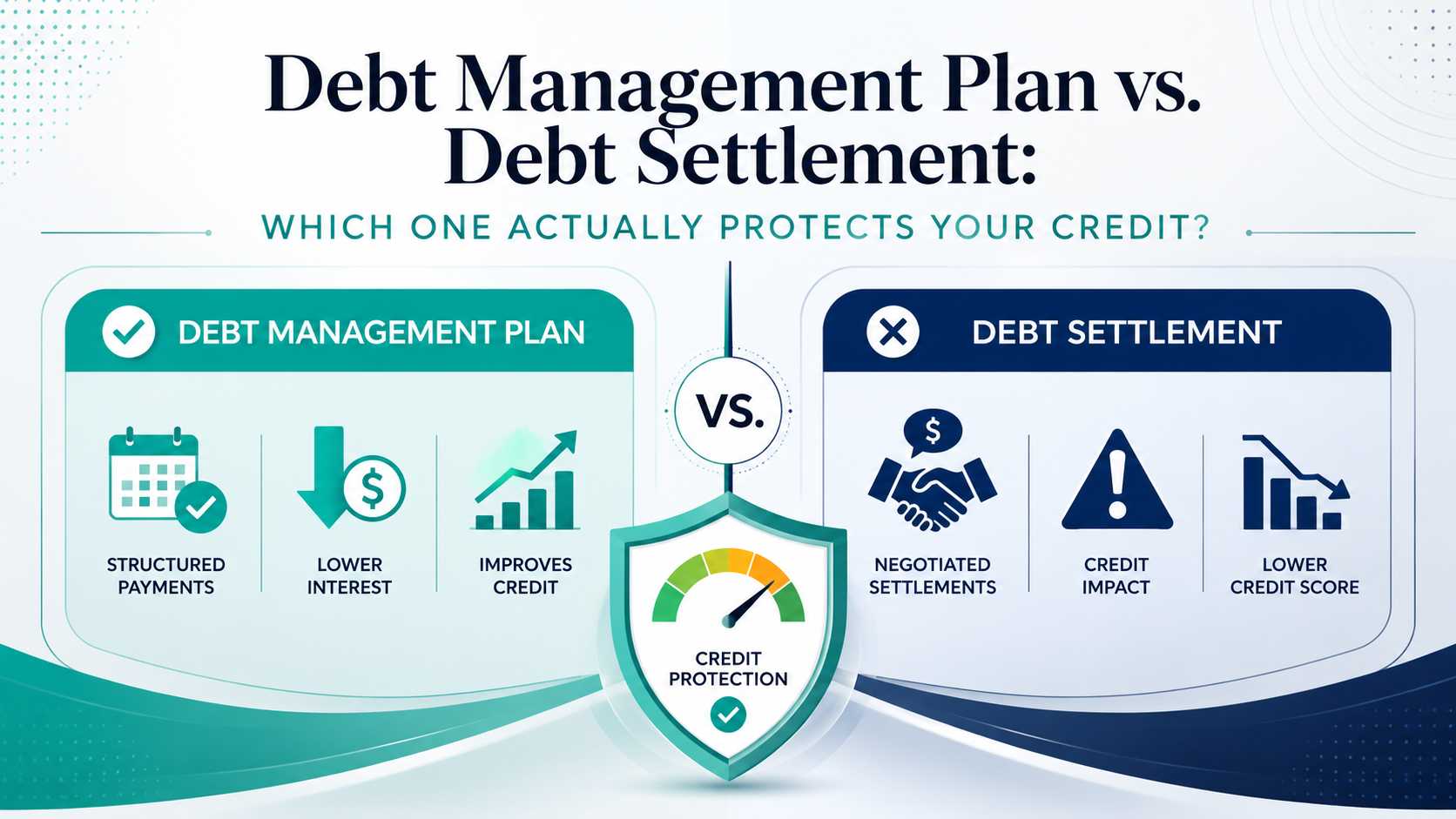 : Debt Management Plan vs. Debt Settlement: Which One Actually Protects Your Credit?
 : How to Spot a Debt Relief Scam in 2026: 8 Red Flags the FTC Warns About
Contact us


